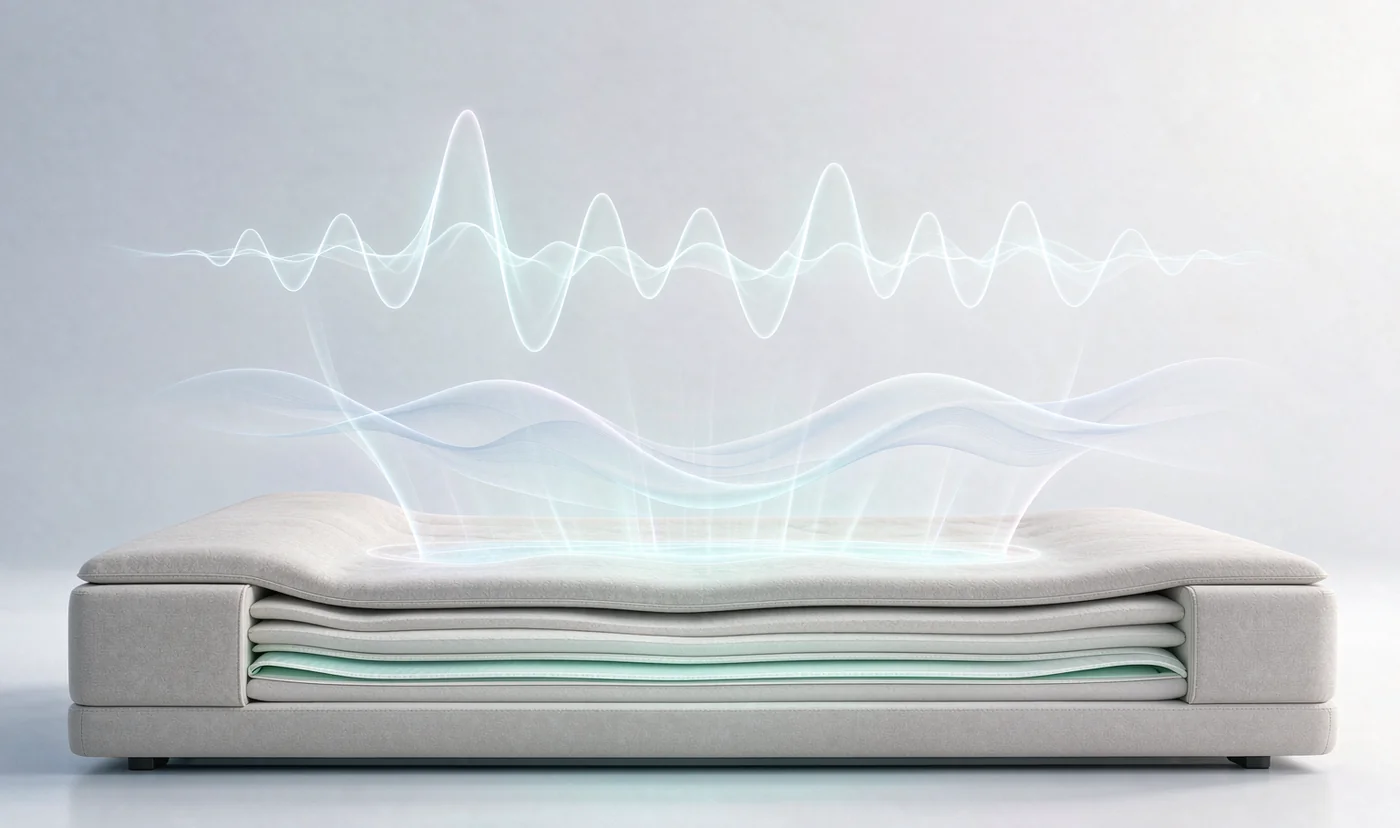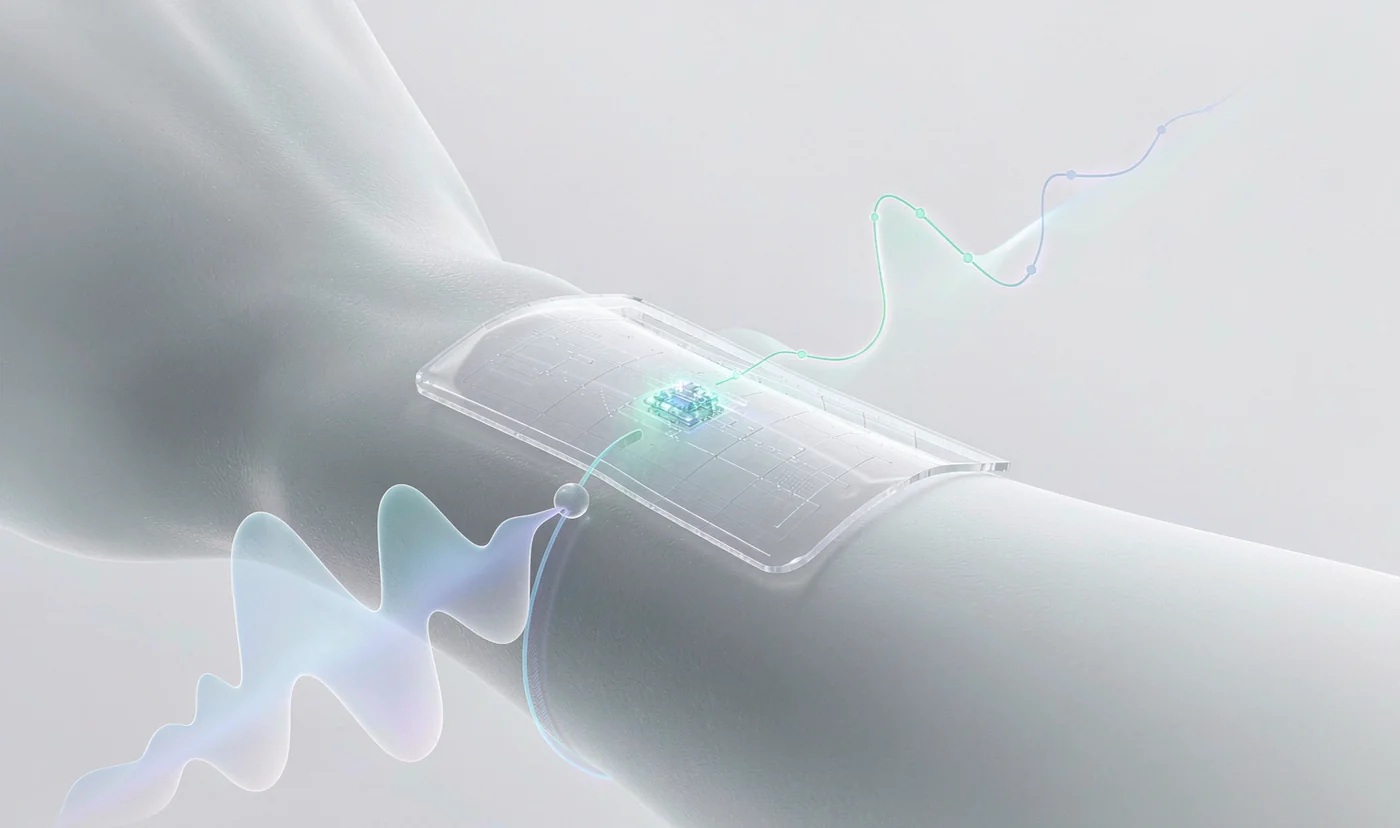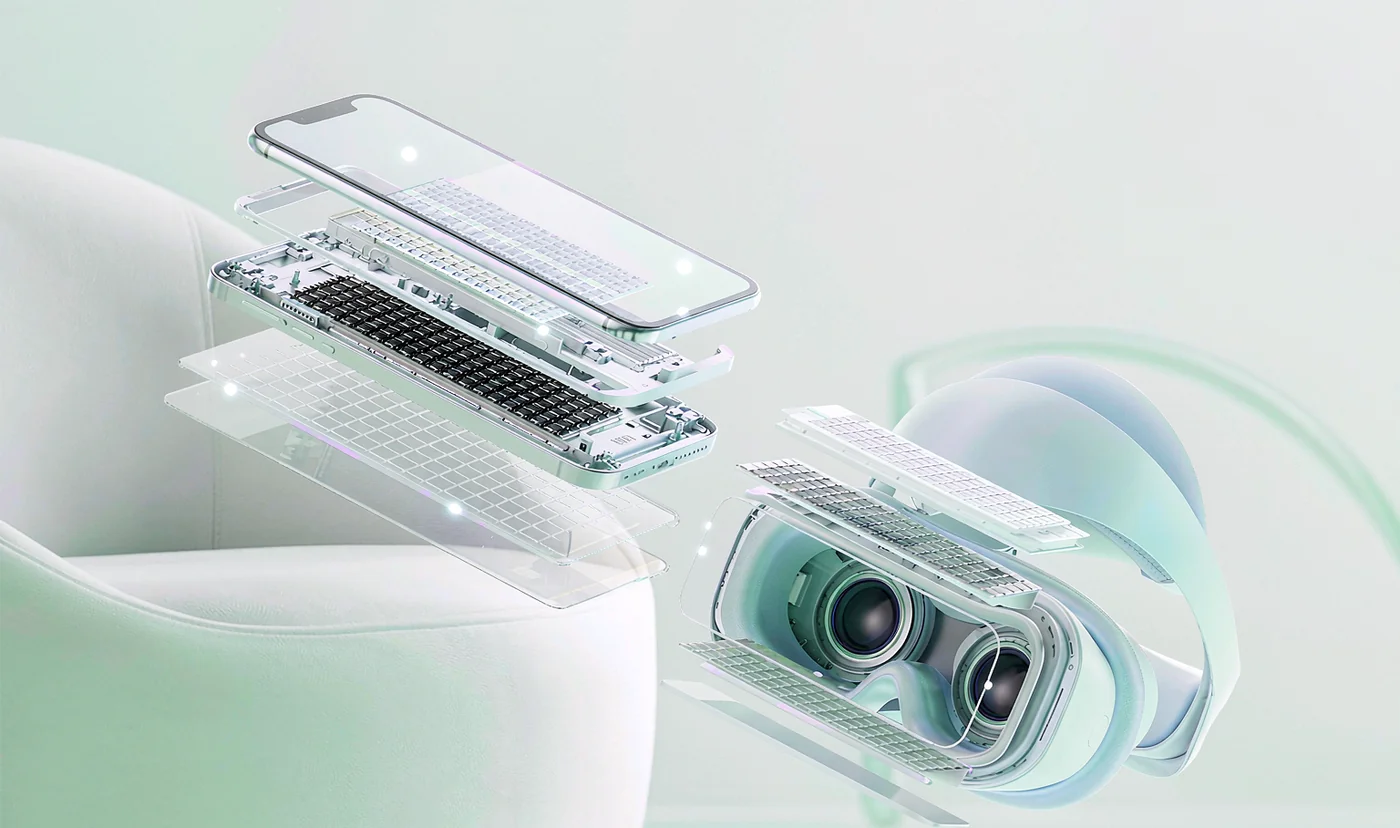
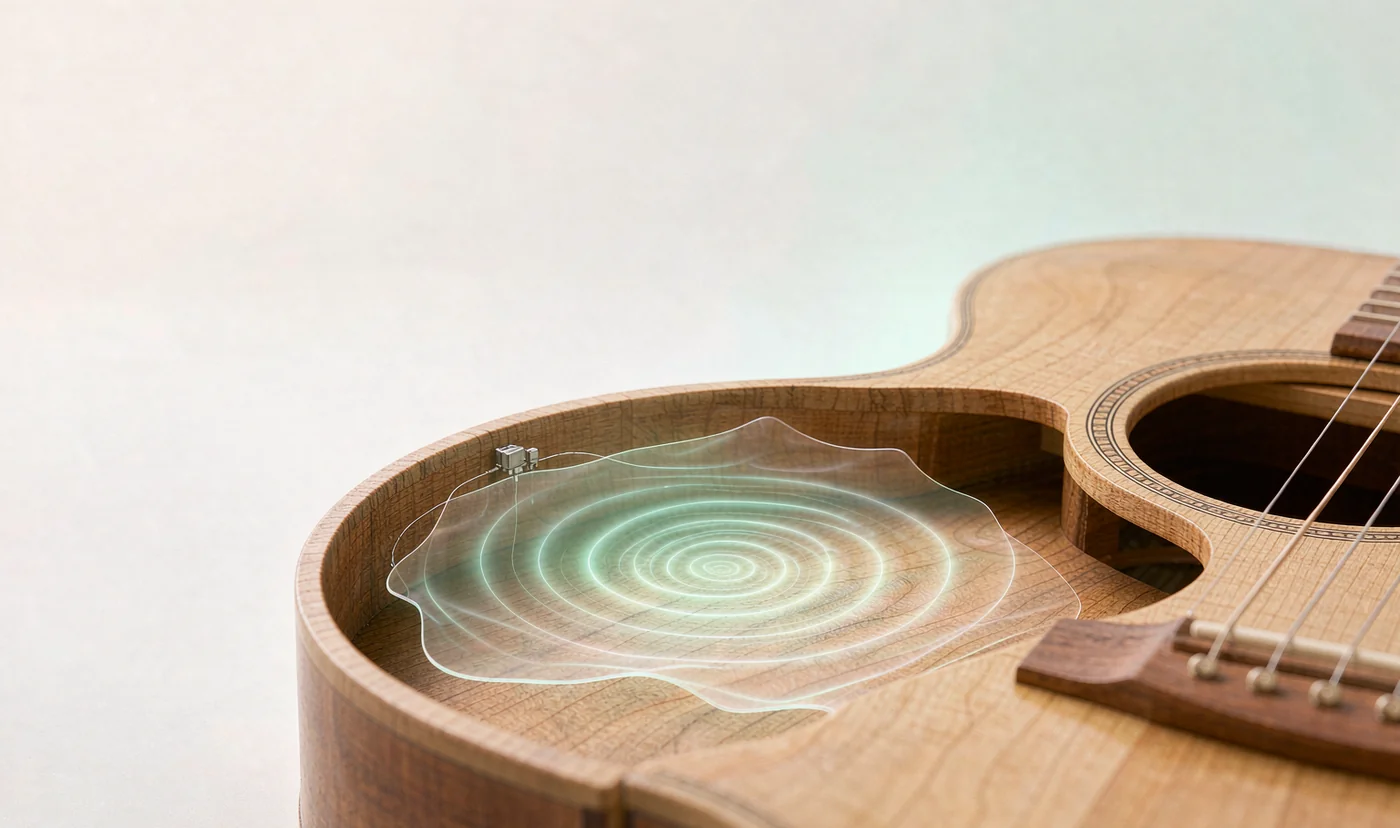
The core question for any pickup is where to listen. A microphone captures airborne sound — natural, but ambient noise comes with it. A contact pickup reads the instrument body's own vibration, yielding a dry signal: clean, controllable and indifferent to the room.
Deployment scenario
For guzheng, pipa, guitar and cello, film is bonded to the inside of the soundboard or beneath the bridge to pick up plate vibration. Wind and percussion instruments take film on the cavity wall. Dance floors and stage decks are covered over large areas to capture footwork and tap rhythm. In industry, piezo cable acts as a distributed pickup along pipes or fences, registering mechanical events along the route.
Achievable performance
PVDF's response comfortably covers the audible range, with fast transients that preserve the attack detail of plucks and strikes. Compared with ceramic pickups the film is flexible, bends to curved surfaces and does not shatter on impact.
Two caveats: contact pickups lack airborne reverb, so the sound is "dry" and typically needs reverb and EQ downstream; and the result is highly sensitive to bonding quality — adhesive thickness, contact pressure and contact area all alter the response curve, so consistent mounting process is essential or timbre will vary between units.
Comparison of technical routes
| Aspect | PVDF film pickup | Magnetic (coil) pickup | Microphone (airborne) |
|---|---|---|---|
| Source | Body vibration (dry) | Flux change from strings | Airborne sound incl. noise |
| Ambient noise | Barely picked up | Barely picked up | Directly captured |
| Instruments | Strings, winds, percussion, floors | Metal strings only | Universal |
| Mounting sensitivity | Requires consistent process | Fixed position required | None |
| Impact resistance | Flexible, will not shatter | Compact | Prone to wind noise |
| Limitations | Dry tonality, needs post-processing | Not for nylon strings or non-magnetic bodies | High crosstalk |