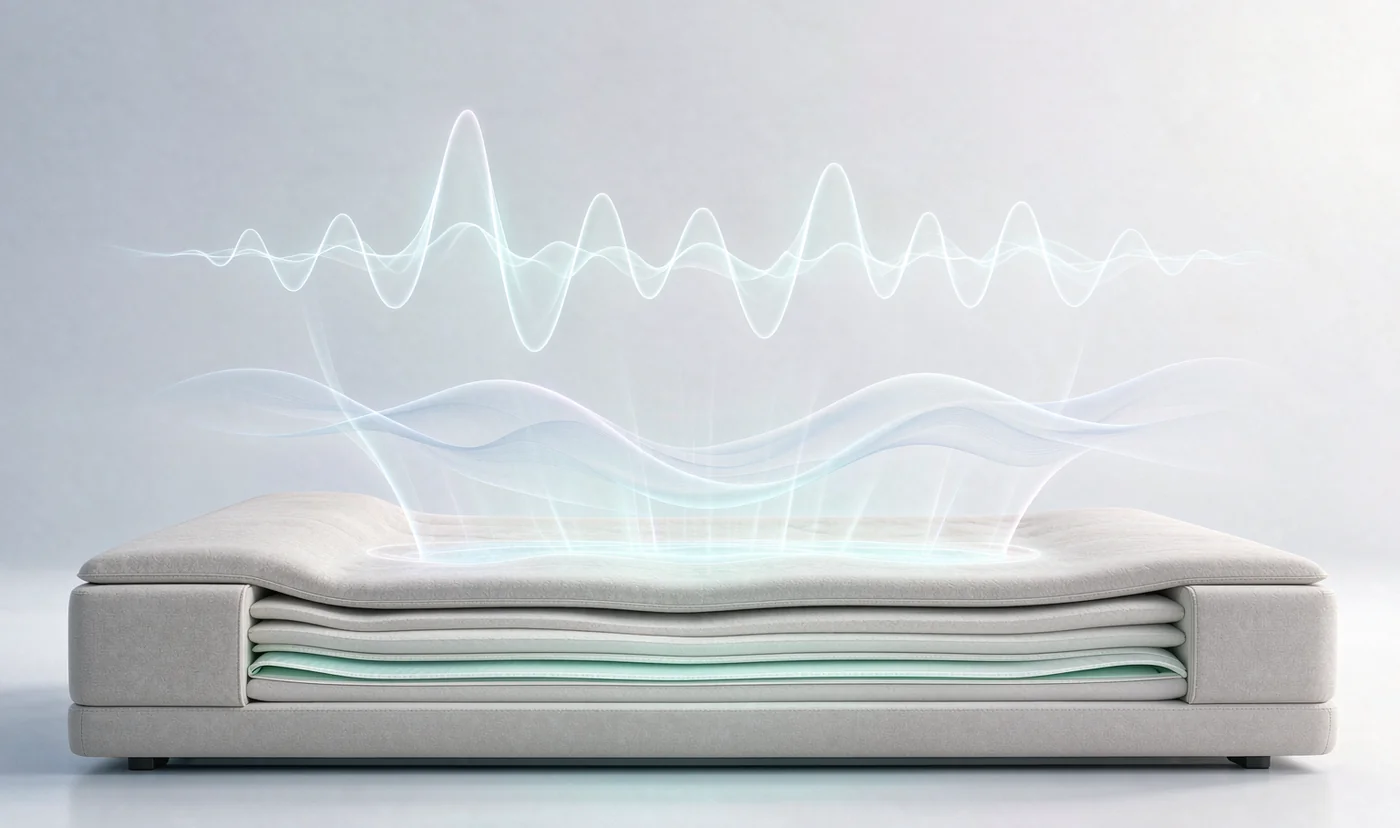
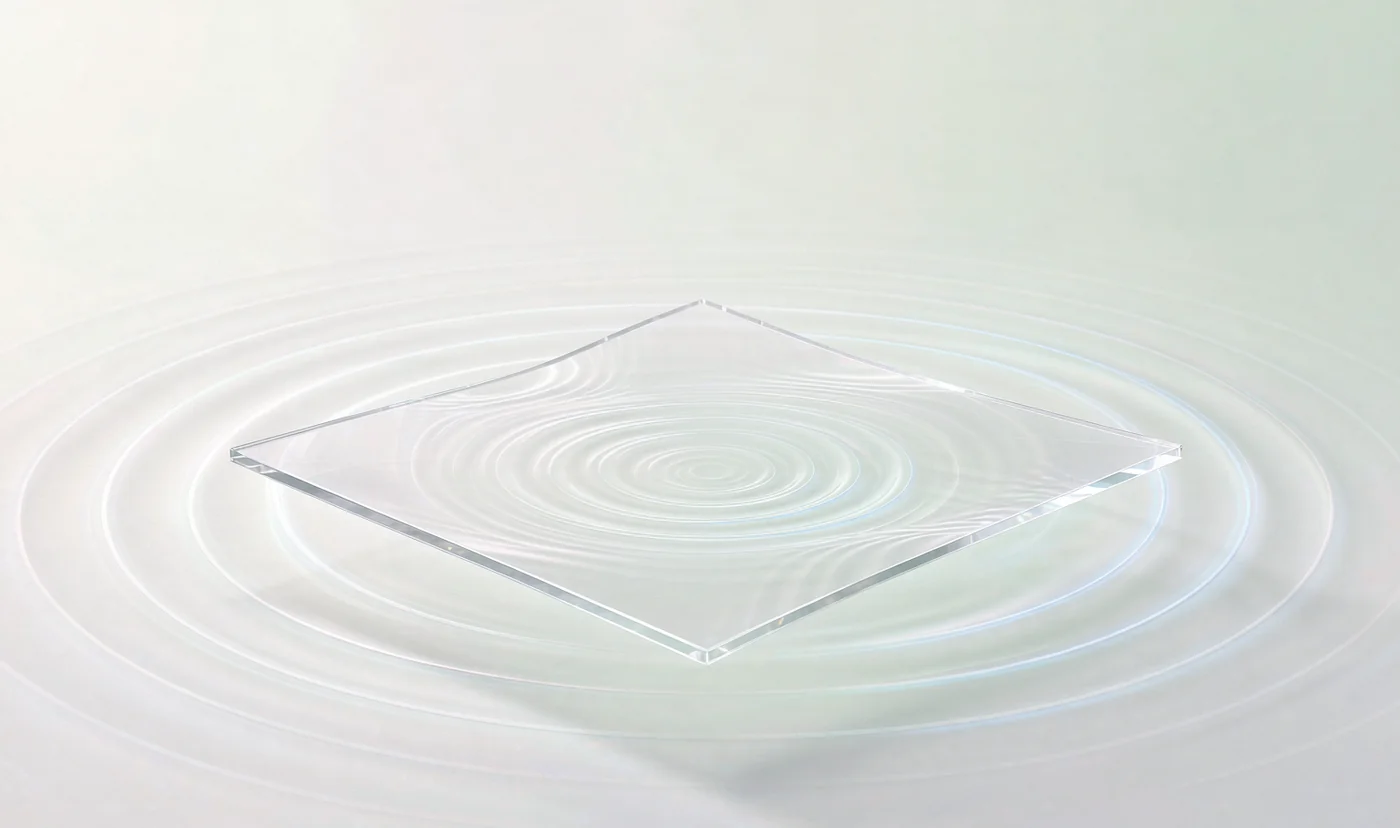
The fundamental conflict in loudspeakers is impedance matching: piezo ceramics have an acoustic impedance more than 3,000× that of air, so radiating directly into air is like pushing a wall into a void — complex diaphragms, horns and back cavities are needed as a transition. PVDF's impedance is far lower, so the mismatch to air is far smaller, making it better suited to energy transfer in a gas medium.
Deployment scenario
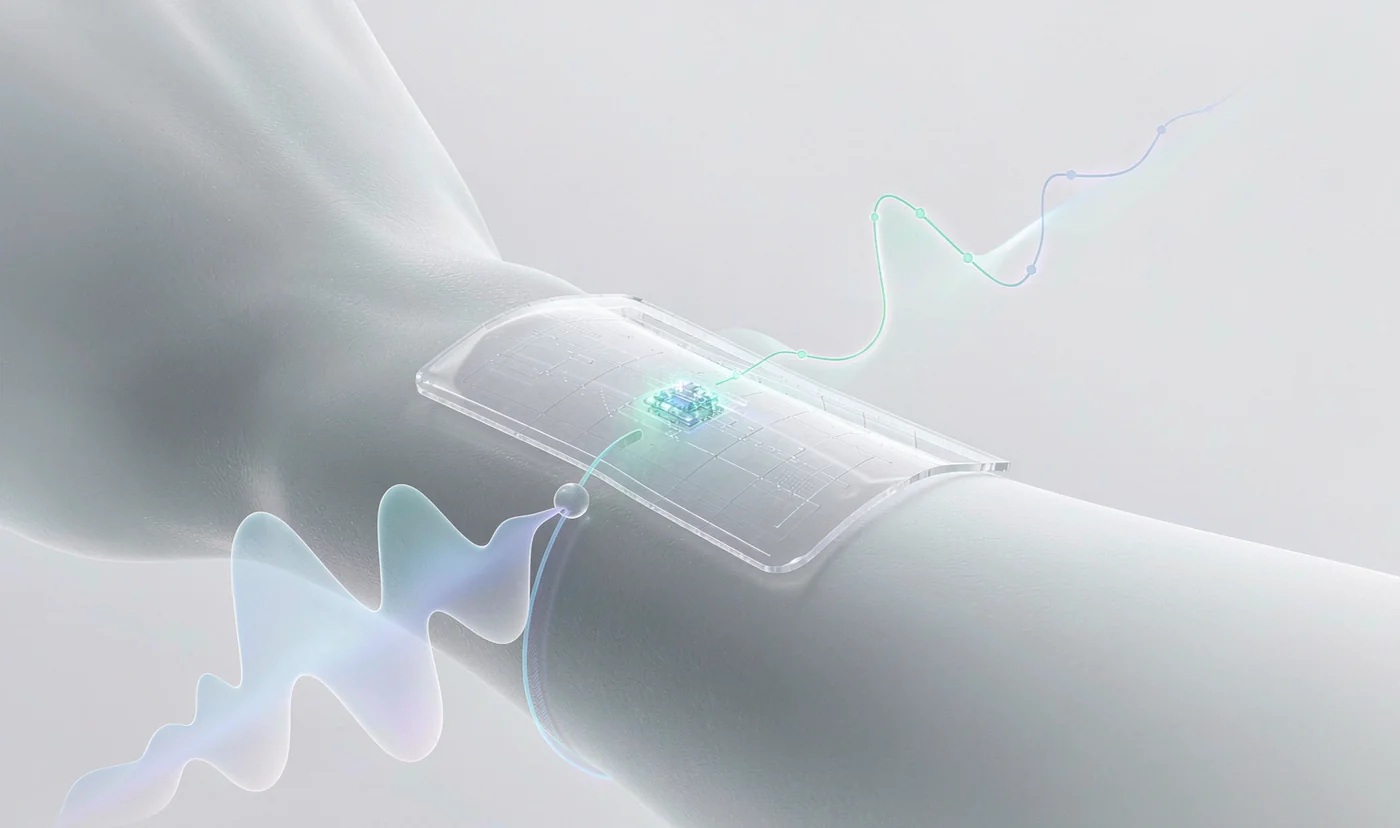
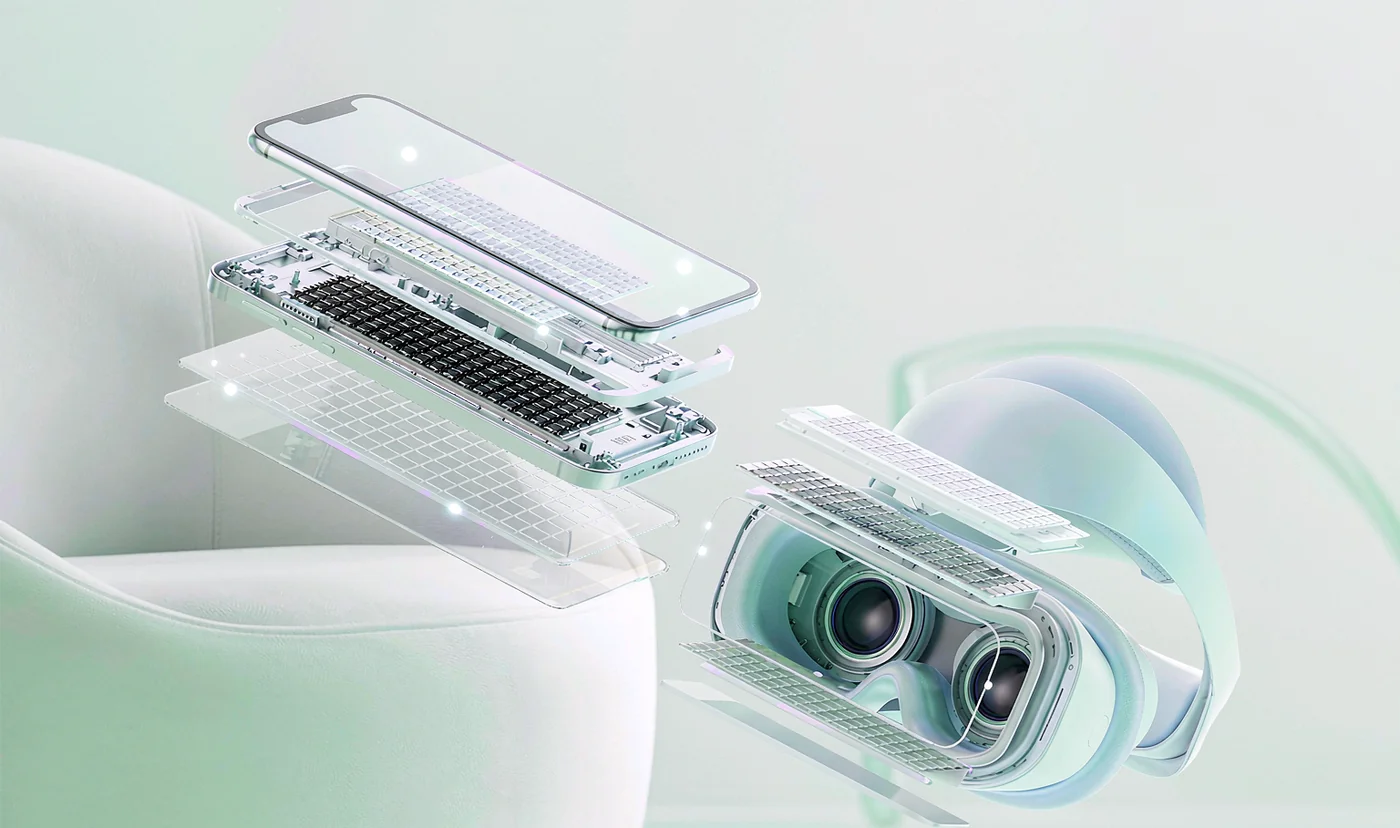
Film becomes a large flexible sound-emitting sheet mounted behind a panel, inside a car headliner, on the inside of a wearable strap, or as an ultra-thin speaker unit in its own right. With no magnetic circuit and no voice coil, the "speaker" can be millimetres thick or less and is not constrained by magnet geometry.
A second use is ultrasonic emission: radiating a 40–90 kHz carrier in air and exploiting air non-linearity to demodulate audible sound — a directional speaker audible only within a defined cone.
Achievable performance
Film speakers have flat response and fast transients, well suited to the mid and high bands. But output sound pressure is below a moving-coil unit of the same volume — a physical floor. It does not do deep bass. The sensible engineering split is division of labour: moving coil for low frequencies, film for mid/high and overhead ambience, while exploiting its thinness to save structural volume.
Comparison of technical routes
| Aspect | PVDF film speaker | Moving-coil speaker | Piezo ceramic buzzer |
|---|---|---|---|
| Thickness | Millimetre-scale or less | Thick due to magnet assembly | Thick and brittle |
| Impedance match | Low, close to air | Needs diaphragm and cavity transition | Severely mismatched |
| Flexibility / shape | Bendable, cuttable to any shape | Fixed round or square | Fixed shape |
| Low frequency | Weak | Strong | Very weak |
| Drive voltage | Higher (tens to hundreds of V) | Low | Higher |
| Typical role | Mid/high, directional audio, ultra-thin | Main full-range driver | Alerts and tones |