The piezoelectric effect is reversible. As a sensor, deformation becomes charge; as an actuator, voltage becomes deformation. PVDF has long been used for haptic feedback and micro-actuation — but this line has clear performance boundaries that deserve to be stated plainly.
Deployment scenario
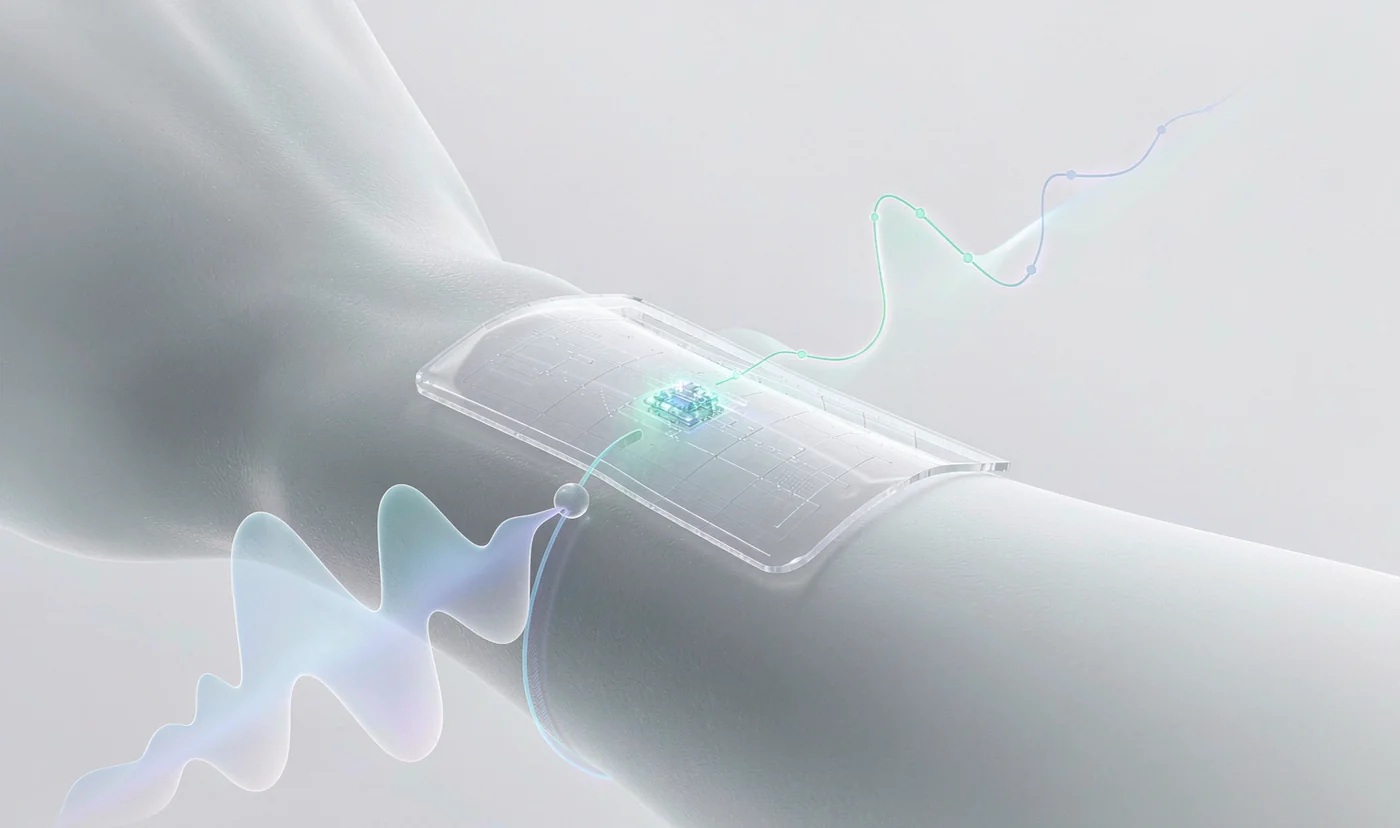
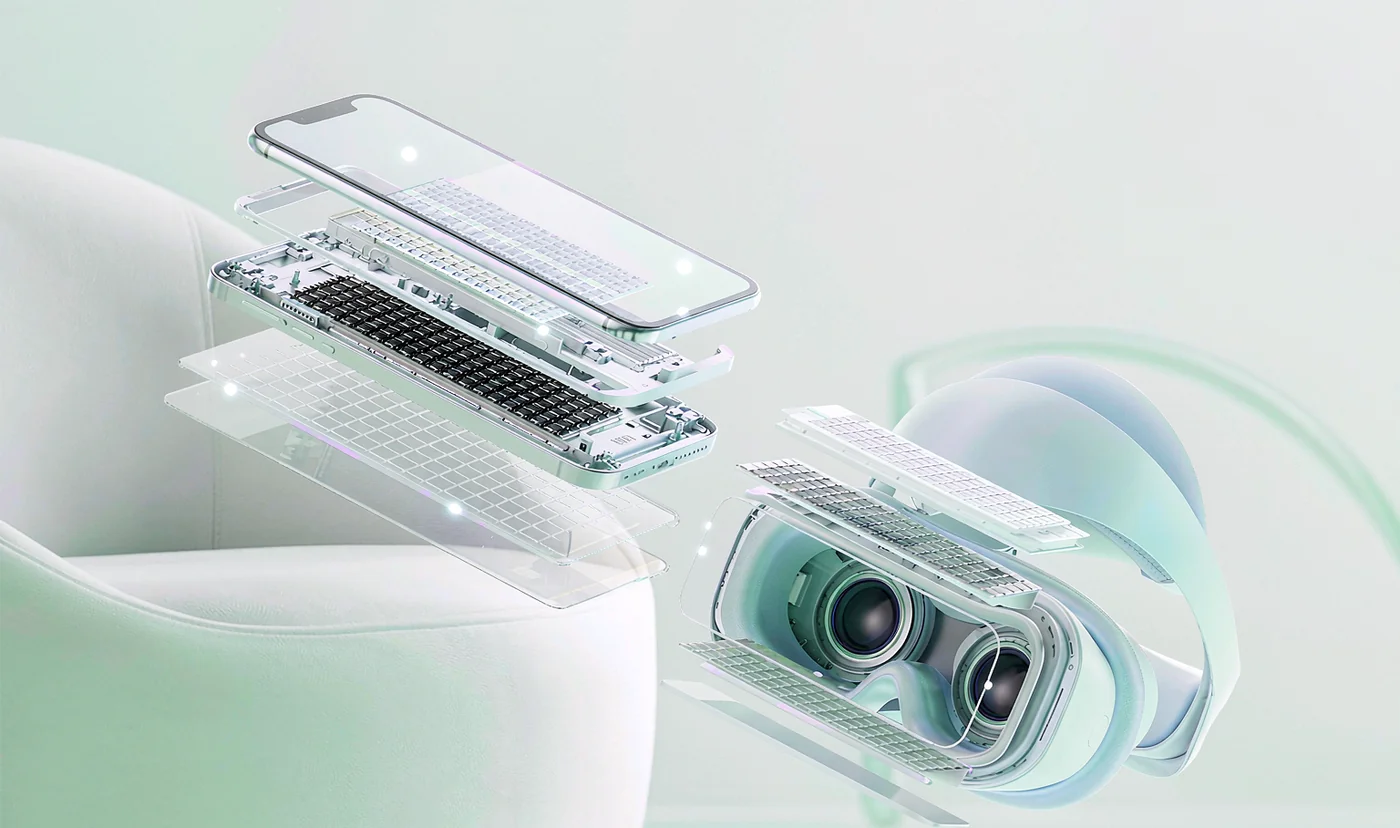
Haptic feedback: film behind a screen or inside a wristband vibrates under AC drive to create a tactile sensation. Compared with an eccentric-rotor motor it responds faster and renders finer textures; compared with a linear motor it is thinner.
Micro-fluidic actuation: film acts as a pump diaphragm, cyclic voltage driving reciprocating deformation for micro air pumps, micro-dosing and lab-on-chip.
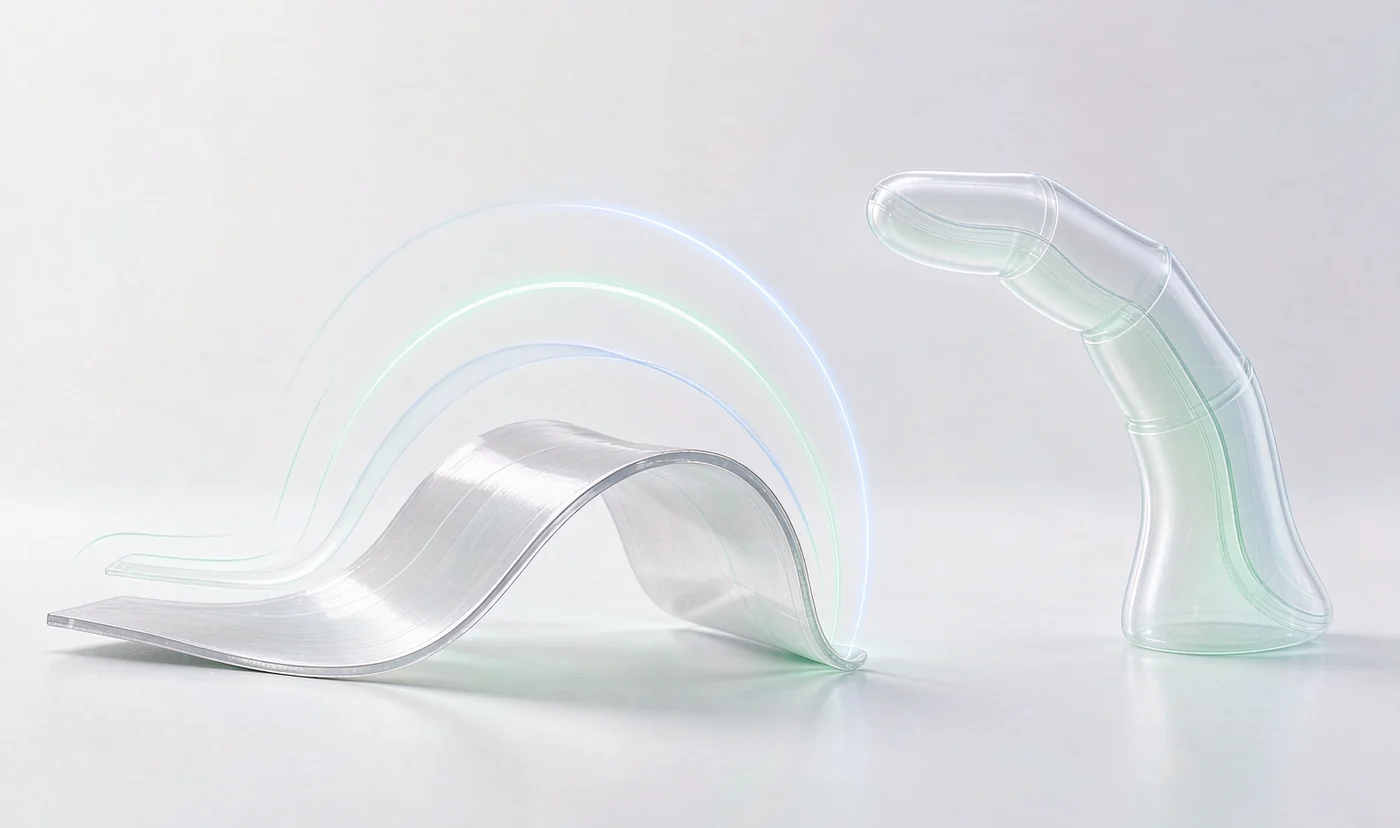
Compliant mechanisms: film laminated with elastomer forms "artificial muscle" bending and crawling structures for soft robotics.
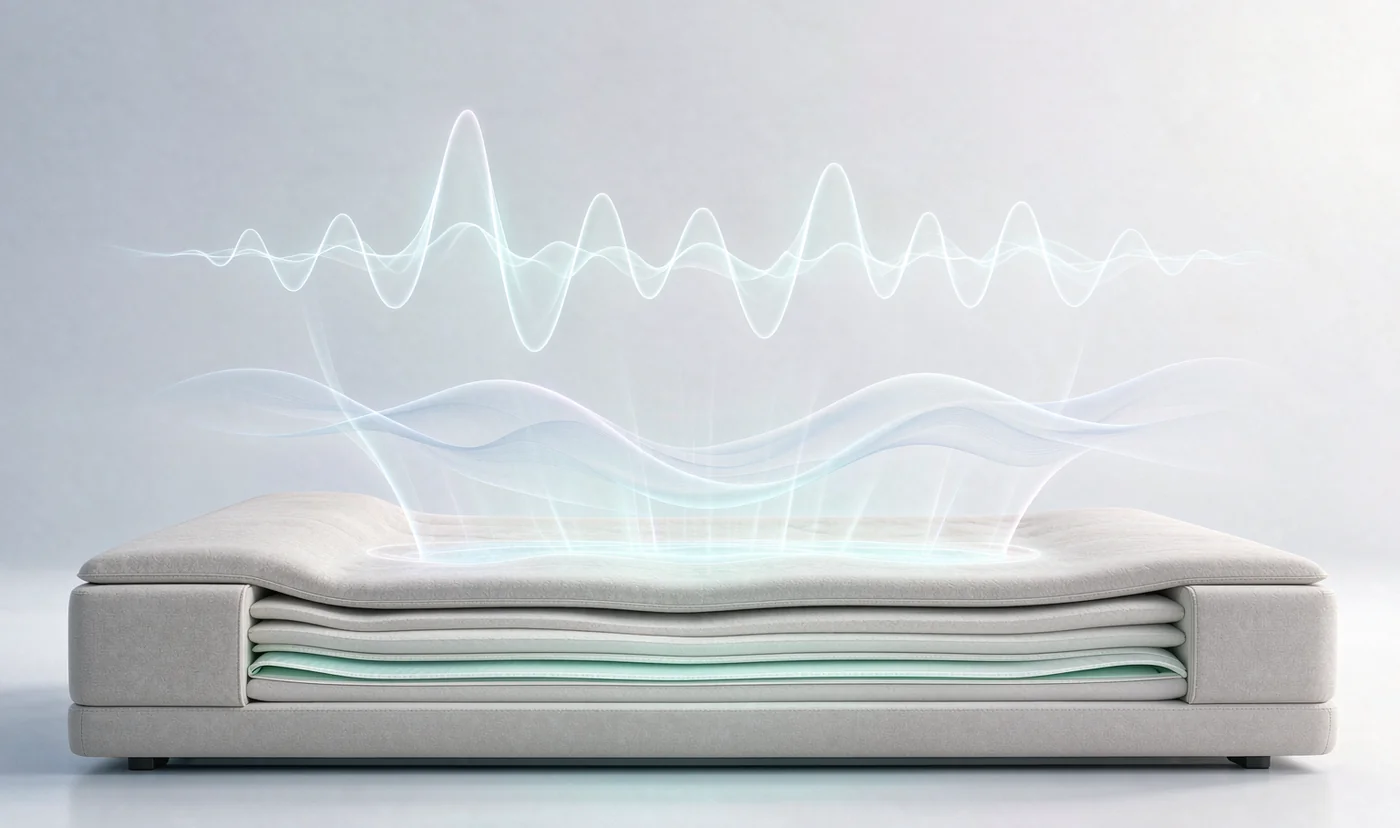
Noise and vibration cancellation: anti-phase vibration cancels structural noise in thin-walled structures such as vehicle cabins and ducts.
Honest capability boundaries
Stated frankly: PVDF's piezoelectric constant (d33 ≈ 10–32 pC/N) is well below ceramics (100–600 pC/N), so as an actuator both output force and displacement are small, while drive voltage is high. It suits light-load, high-frequency, large-travel-flexible situations — not replacing ceramics for high-force actuation.
The real lever is structural design rather than the material itself: bimorph construction, displacement amplification (lever-type designs have demonstrated 6:1 ratios) or multilayer stacking can turn a small strain into usable travel. The landing point for this line is therefore co-design of mechanism plus material, not selling a film on its own.
Comparison of technical routes
| Aspect | PVDF actuator | Piezo ceramic actuator | SMA / dielectric elastomer |
|---|---|---|---|
| Output force | Small | Large | Moderate |
| Displacement | Small (needs amplification) | Very small | Large |
| Response speed | Fast (millisecond) | Fast | Slow (SMA limited by heat transfer) |
| Flexibility | Intrinsically flexible | Rigid and brittle | Soft |
| Drive voltage | High (tens to hundreds of V) | High | Dielectric elastomer needs very high voltage |
| Life | Flex-tolerant, resists fatigue fracture | Prone to brittle fracture | SMA has limited cycle life |